57’ Offshore Yacht Interior Restoration: Can Damaged Teak Be Brought Back?
Restoring a scratched pilot house sole, weathered brightwork, helm seats and interior teak
 When looking through photos of our recent work, some boats simply command your attention. There’s something about their beauty, craftsmanship, and character that immediately transports you—making you imagine what it would feel like to be aboard, surrounded by beautiful waters and heading off on the next adventure.
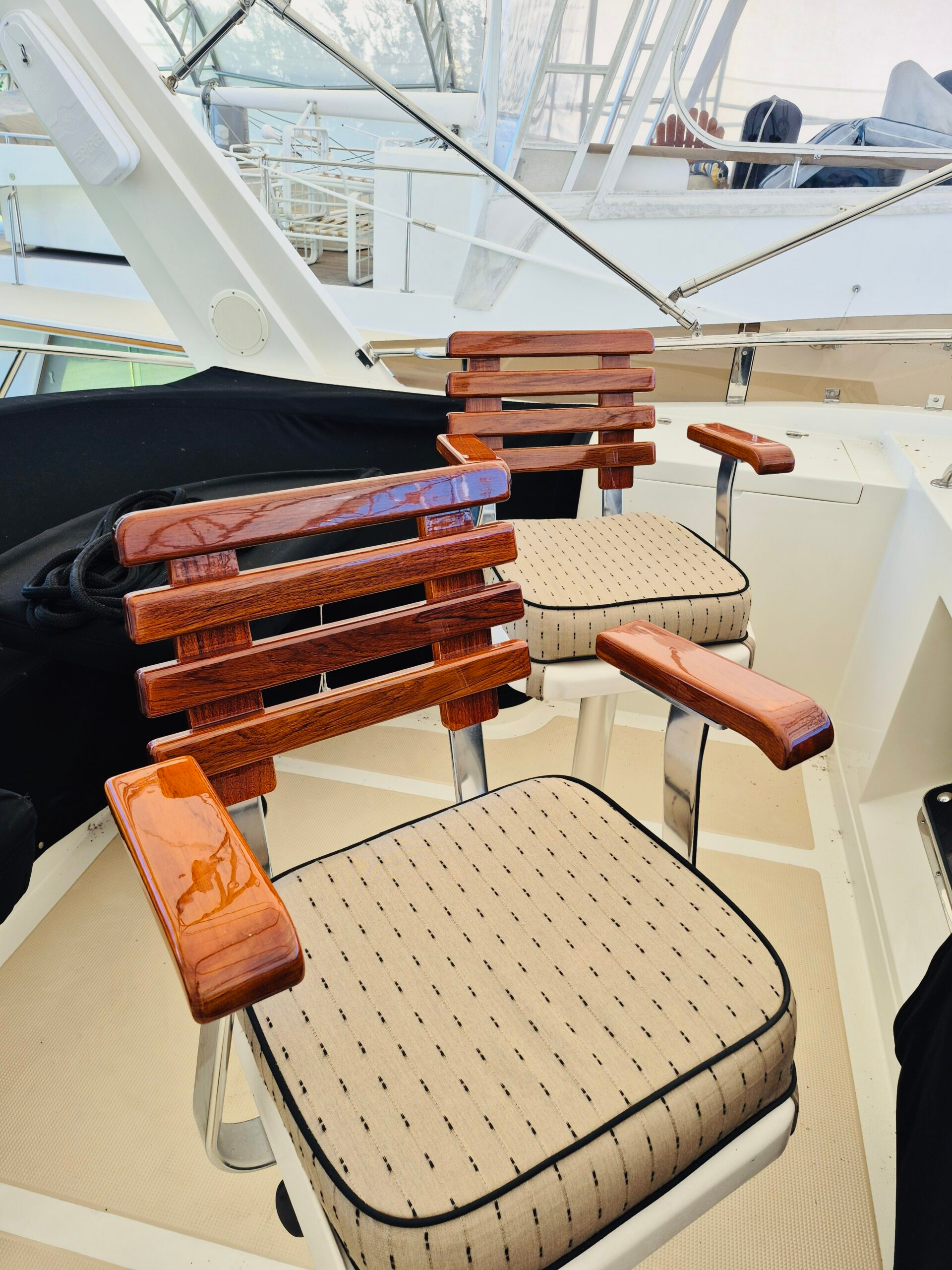
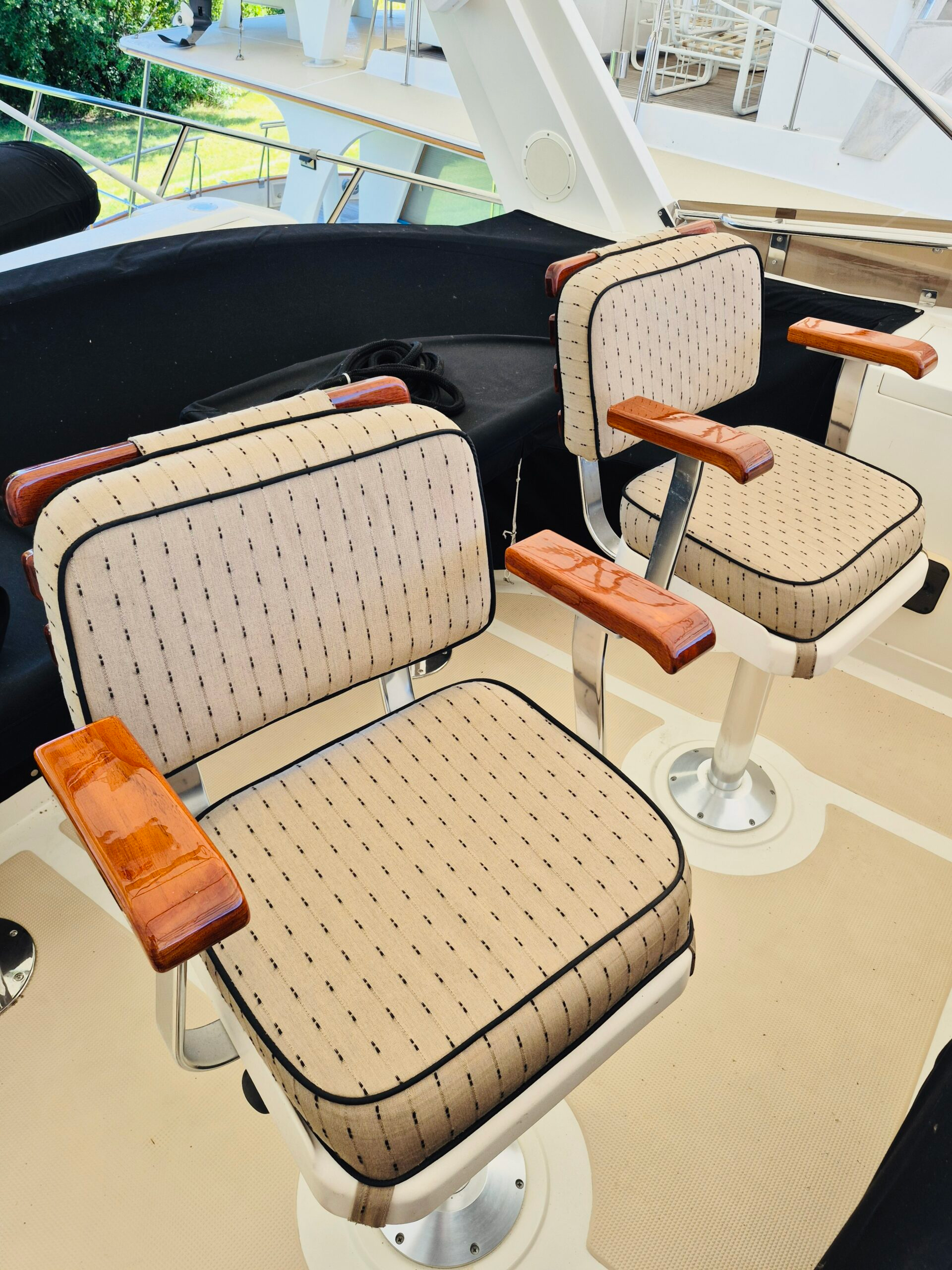
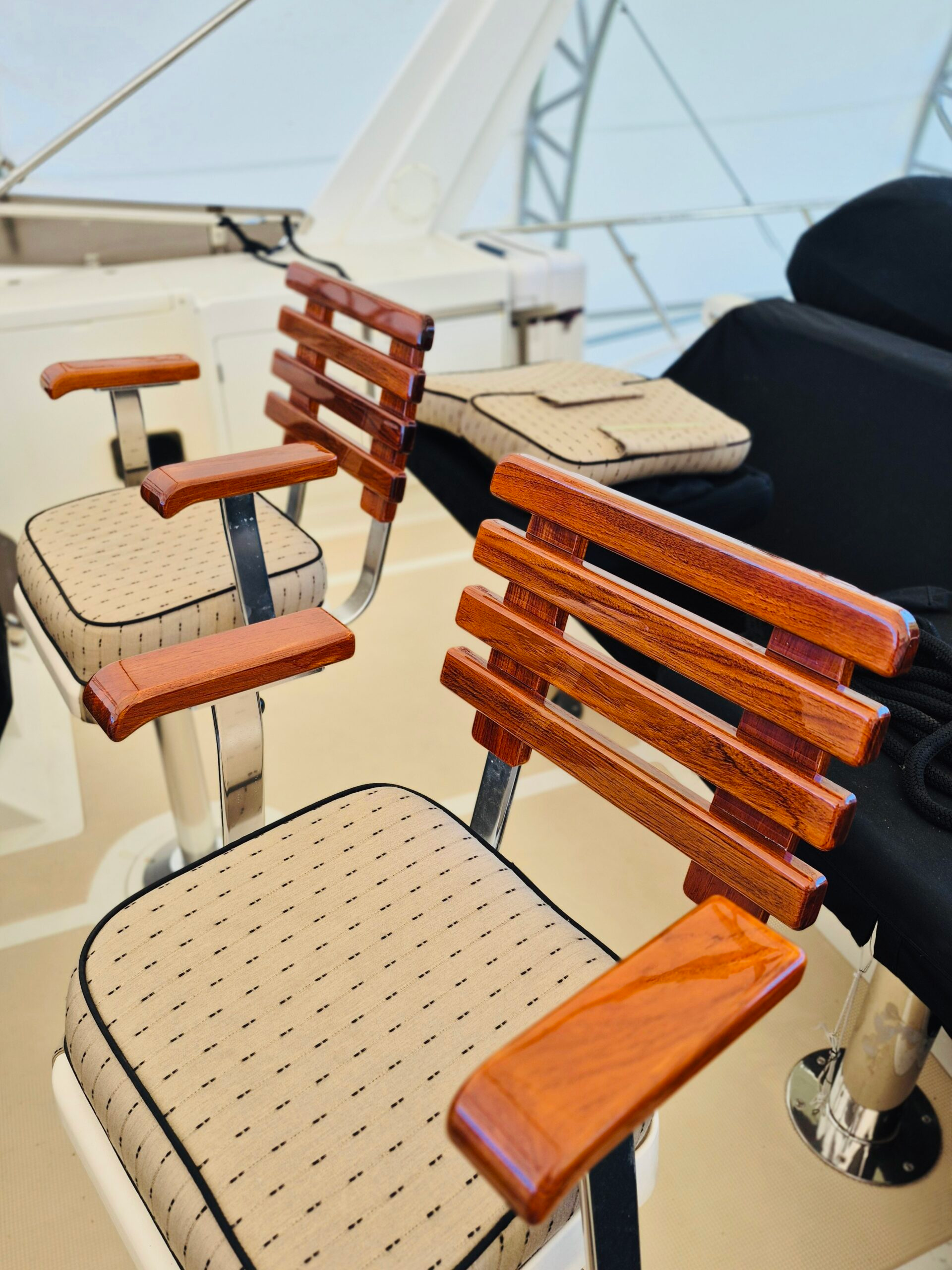
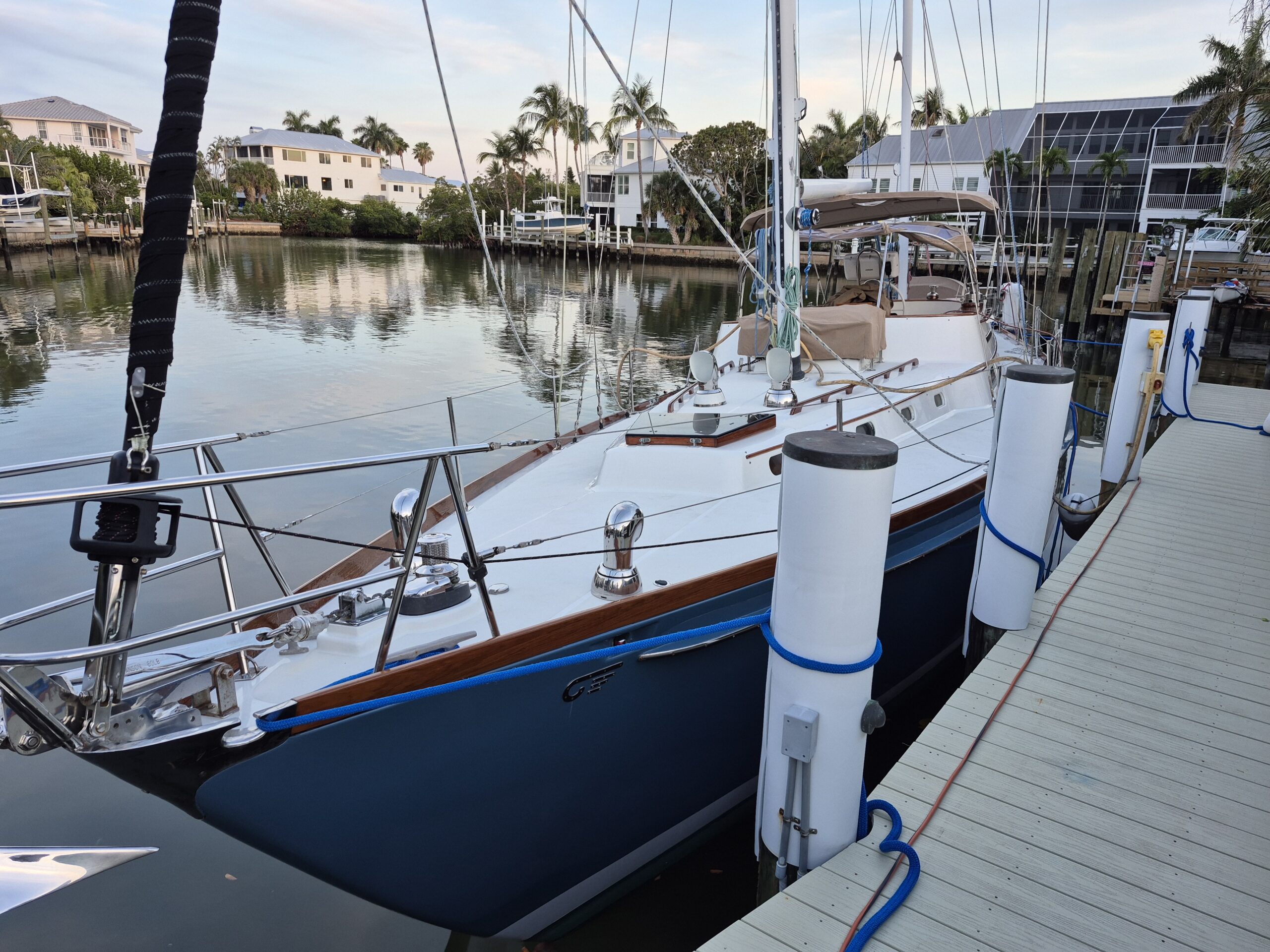
That was the feeling I had when looking at this 57’ offshore yacht. In particular, the refinished brightwork and teak helm seats immediately captured my attention. They brought back that timeless, high-end character that makes a yacht feel both luxurious and ready for adventure.
But even one of the most durable woods used on yachts can show the effects of time. Years of intense UV exposure, everyday use, and scratches can leave teak and finished surfaces weathered and worn. The good news? Worn teak and finished surfaces don’t always need replacement. With the right restoration process, the original wood can often be brought back to life, preserving the yacht’s character and craftsmanship while giving it a beautifully refreshed appearance.
That was the challenge with this 57’ offshore yacht. Built in the early 2000s, the yacht spent years cruising the beautiful waters of the Bahamas and experienced significant sun and UV exposure. The brightwork had become weathered, while the pilot house flooring had developed deep scratches from the family dog.
What Does It Take to Restore a Yacht Interior?
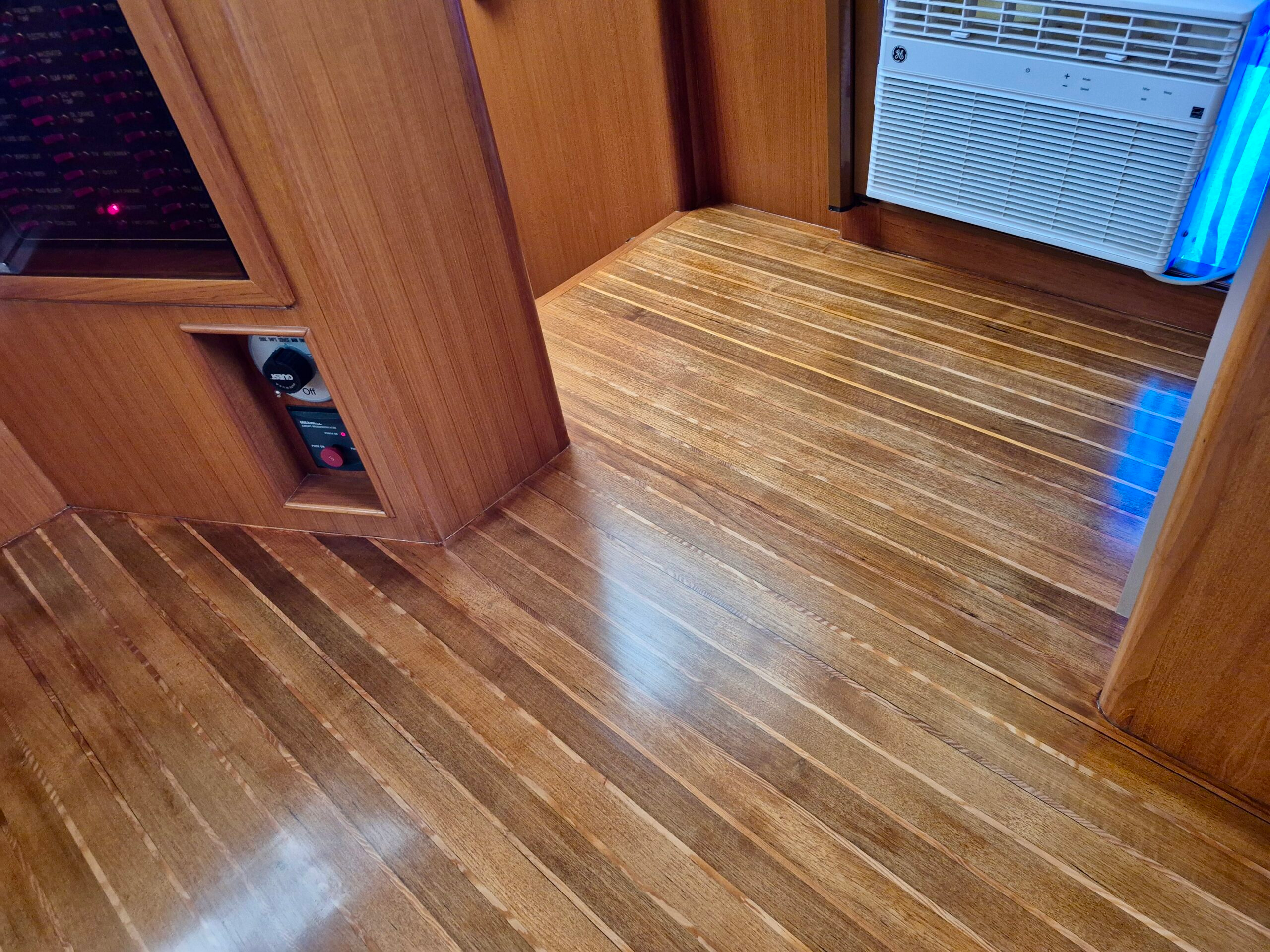
One of the biggest considerations with interior refinishing is the environment in which the finish is applied and cured. Because the yacht was out of the water, the team brought air conditioning into the cabin to regulate temperature and create stable conditions throughout the refinishing process.
From there, the Big Ocean Marine team addressed each area based on its condition and use.
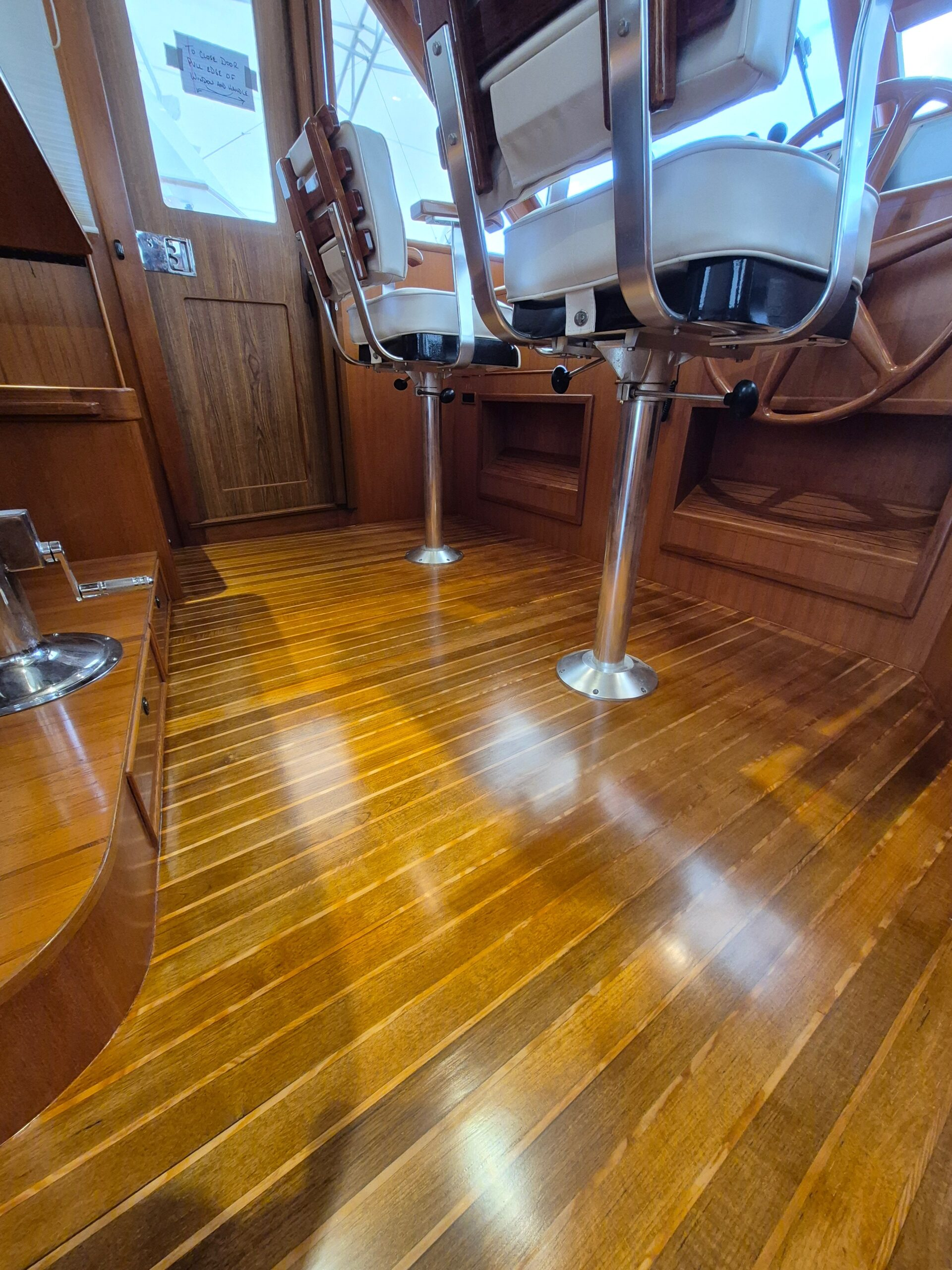
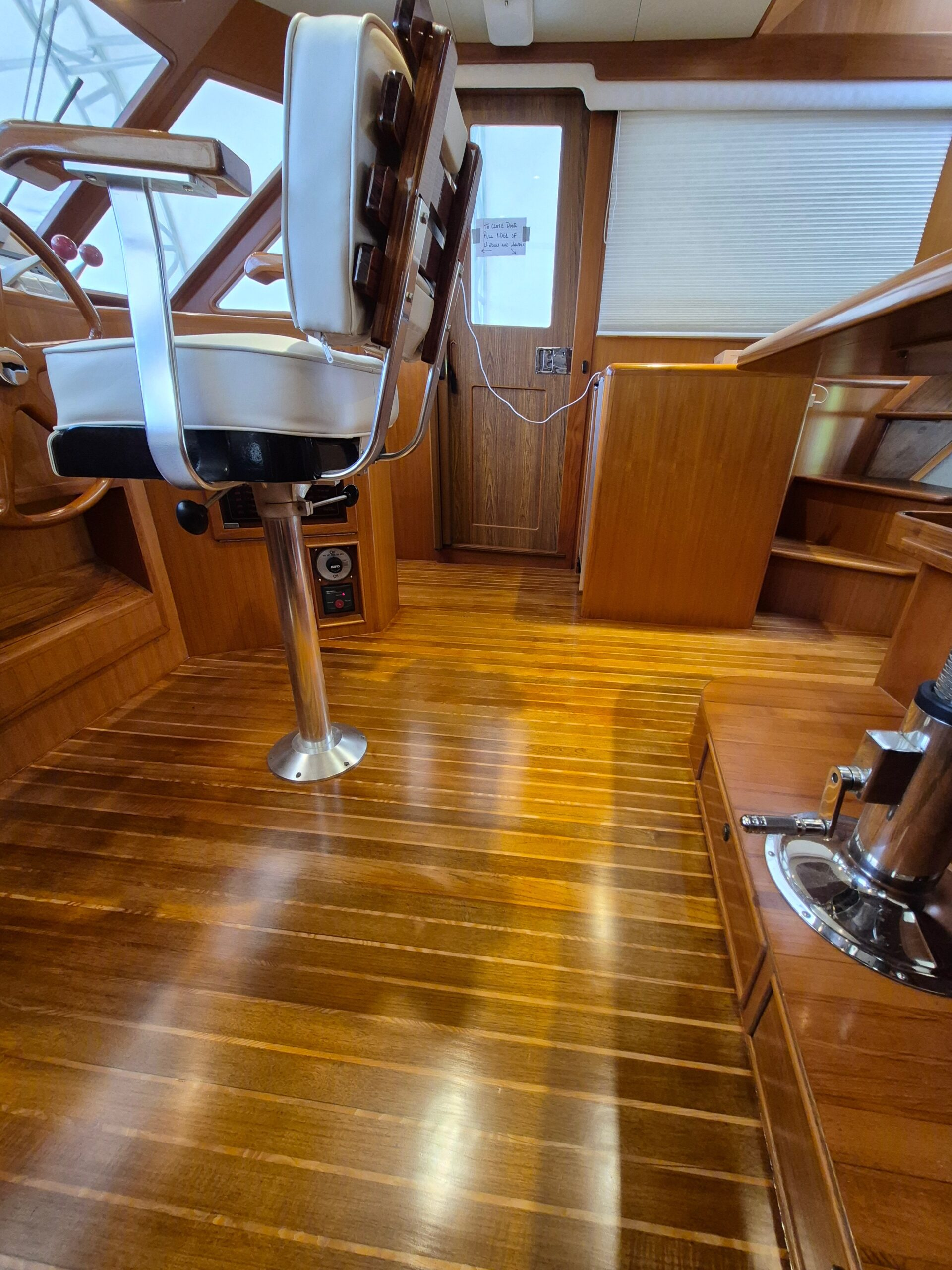
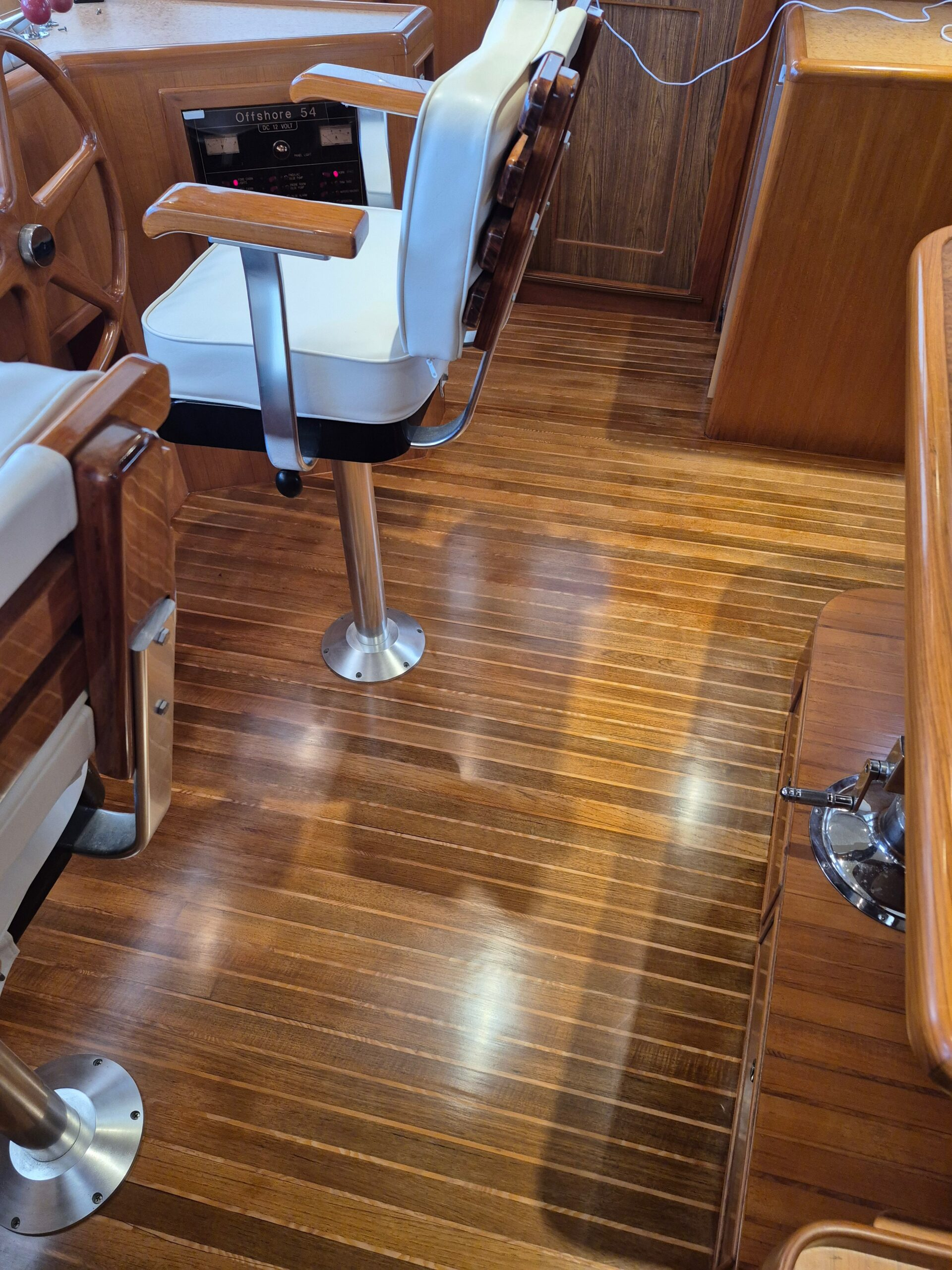
A Pilot House Sole With Deep Scratches
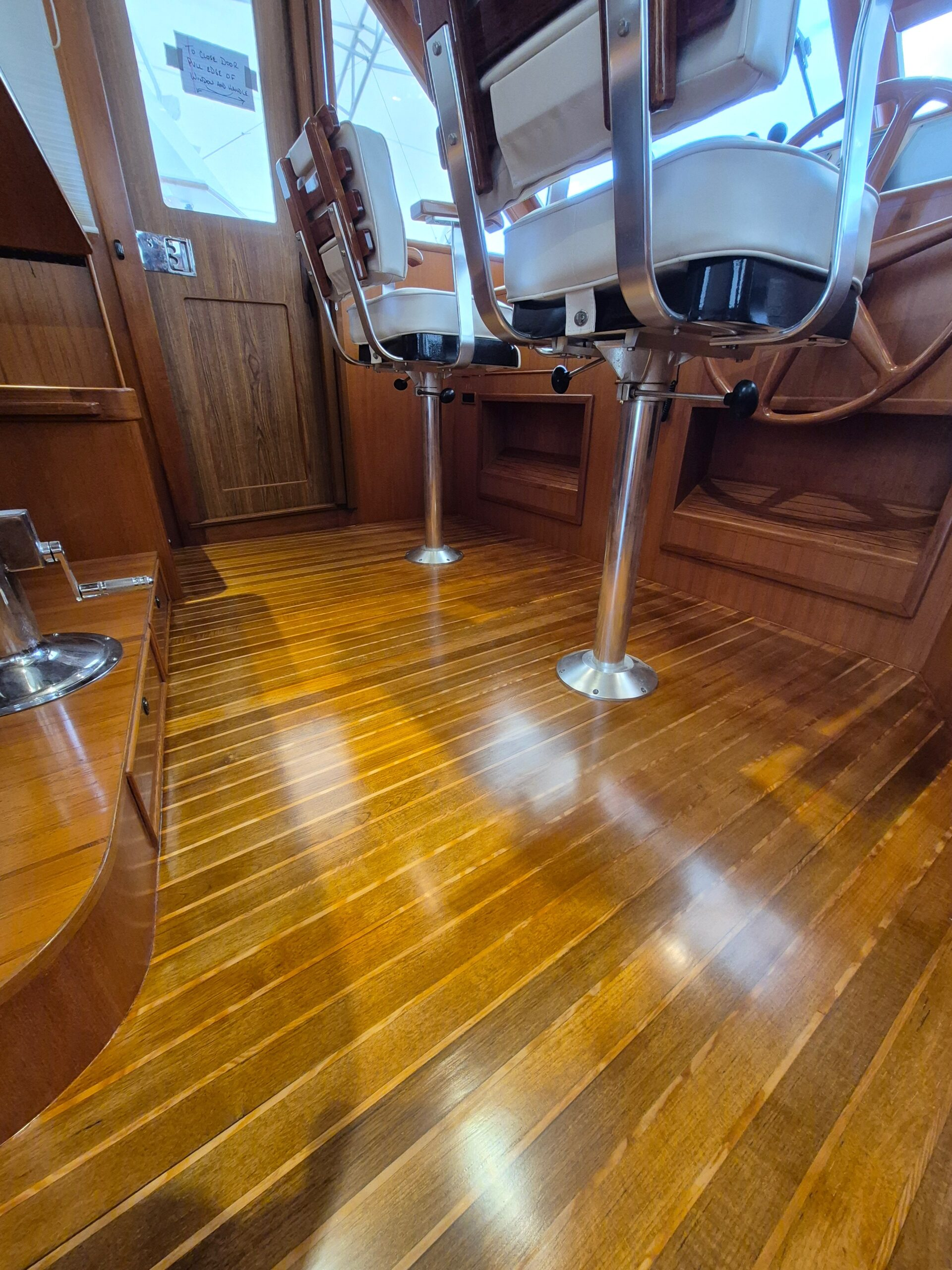
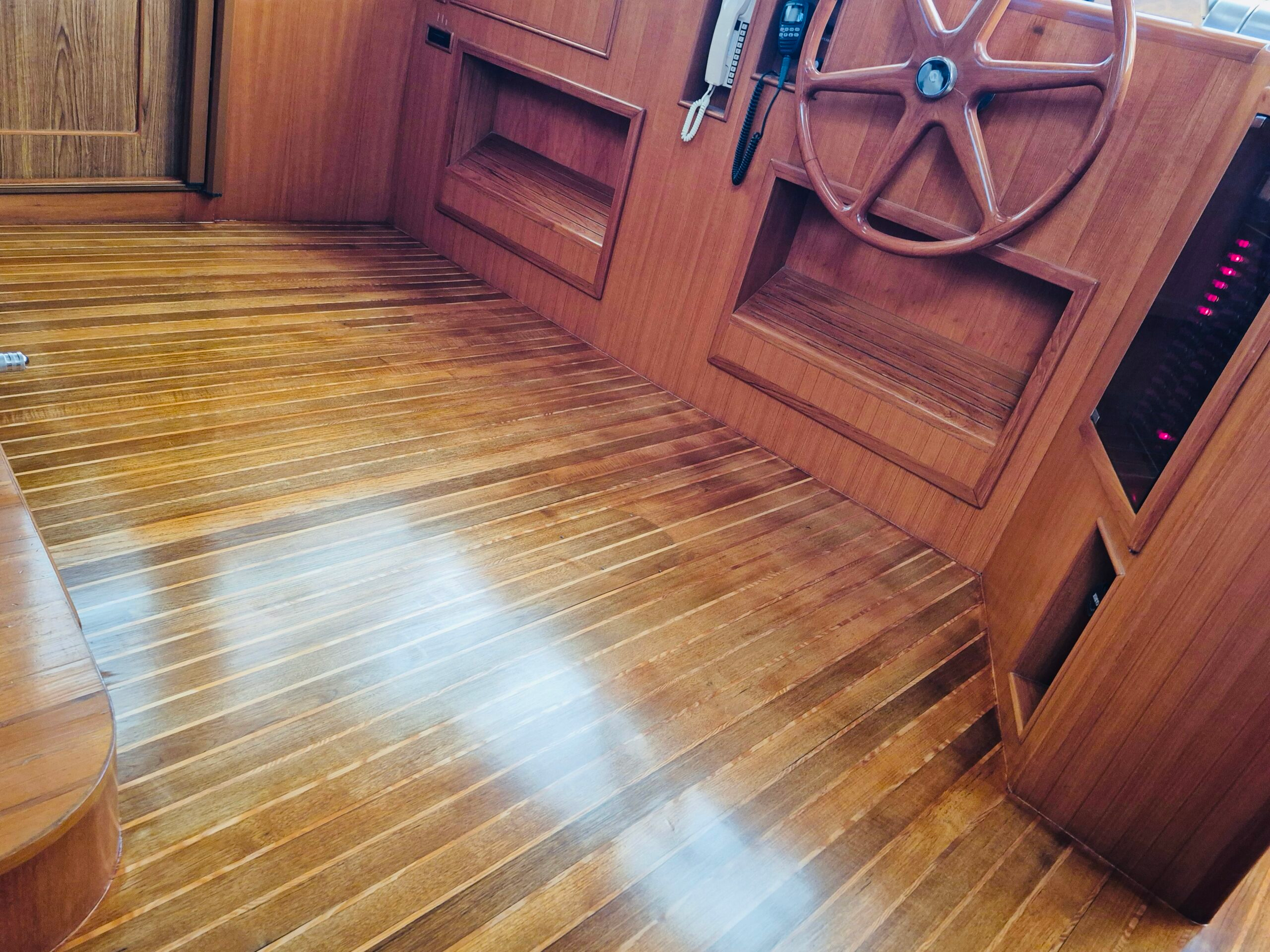
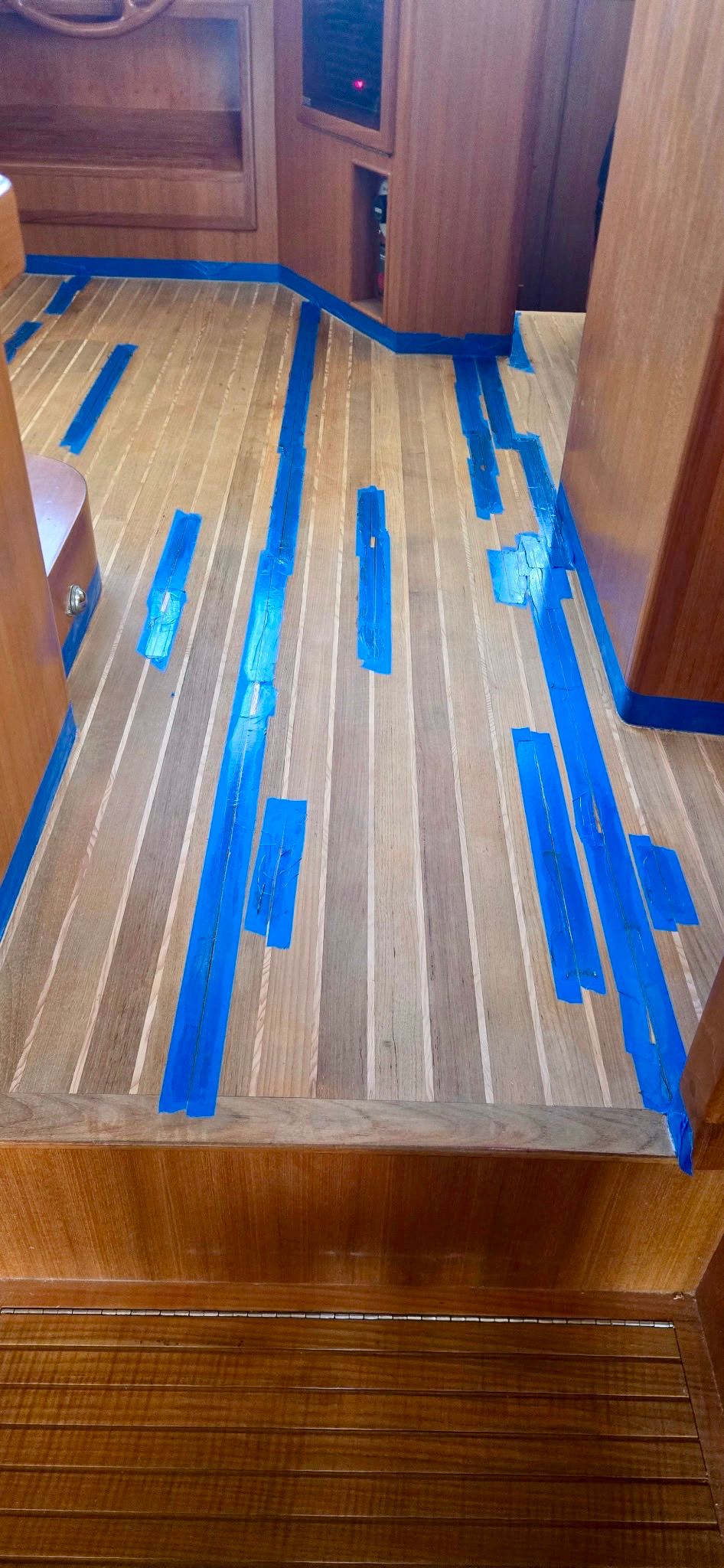
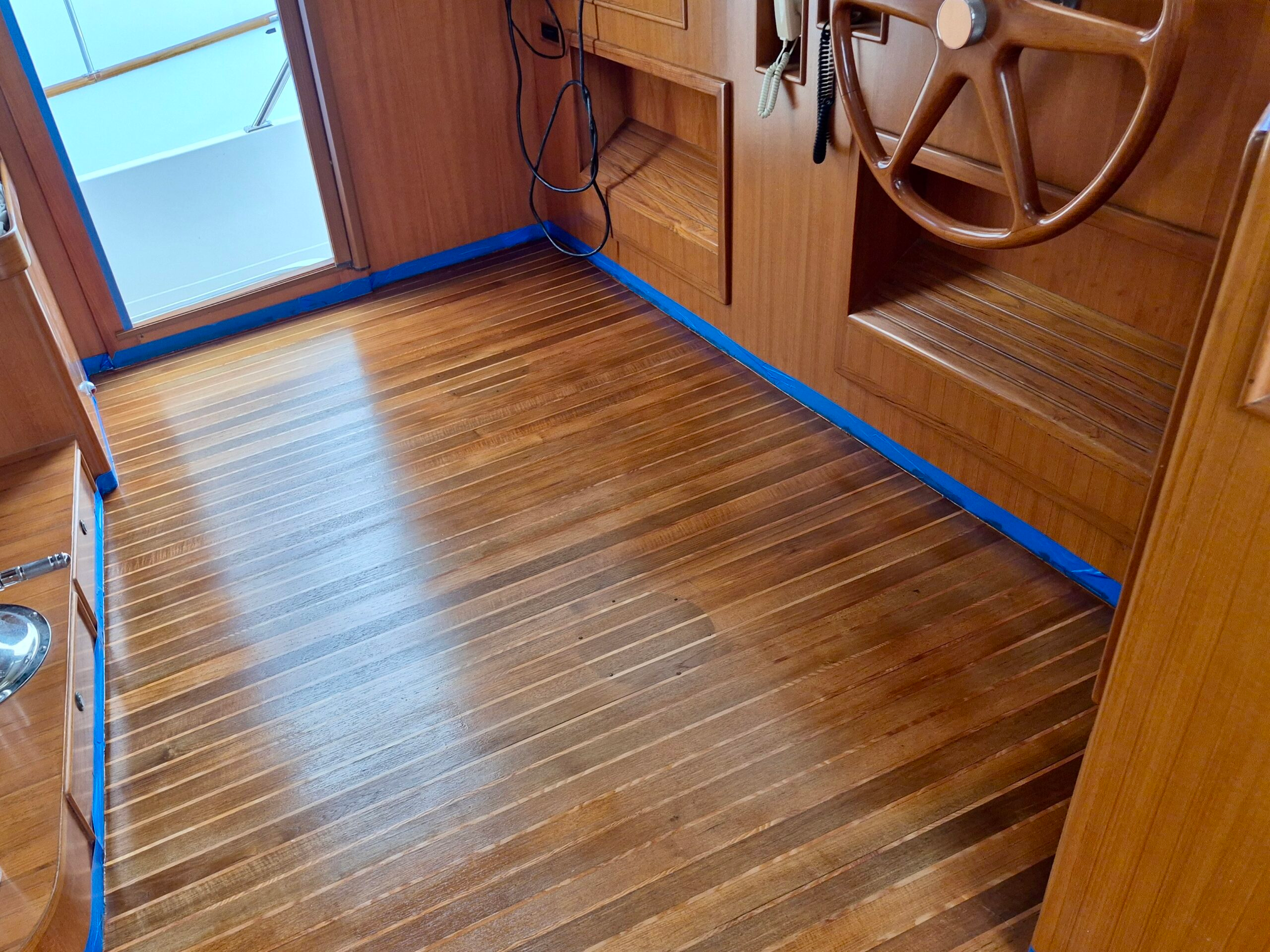
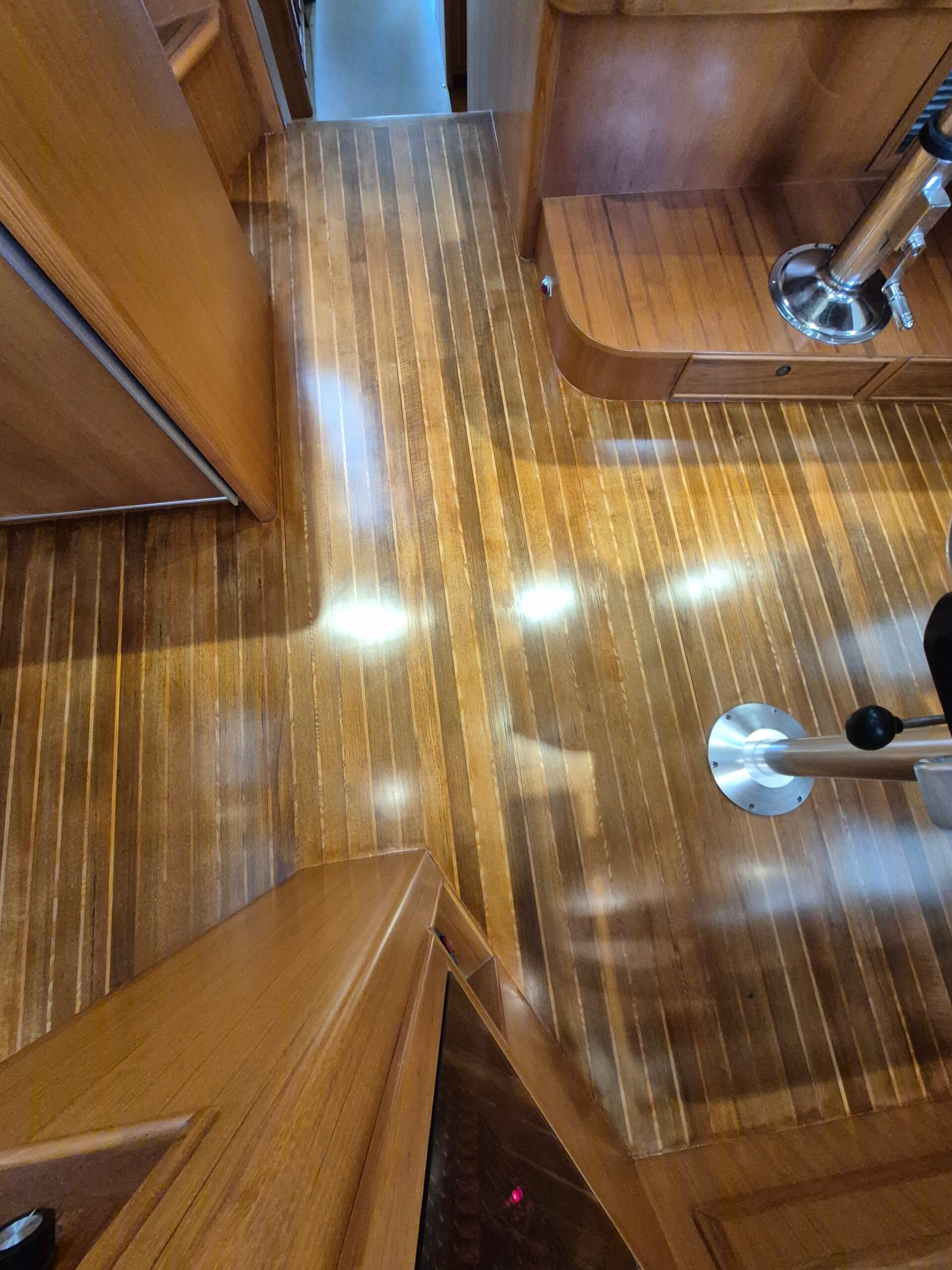
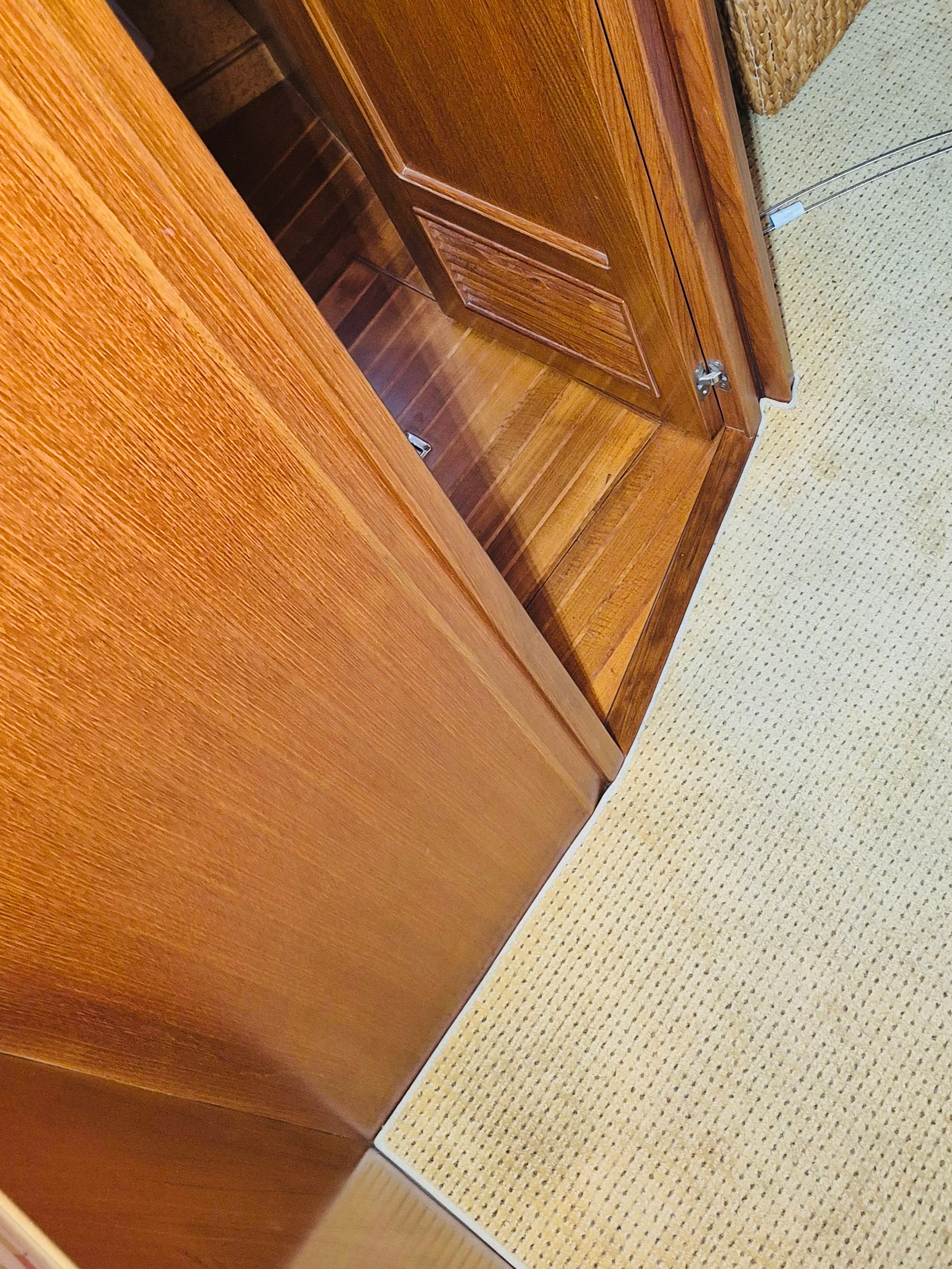
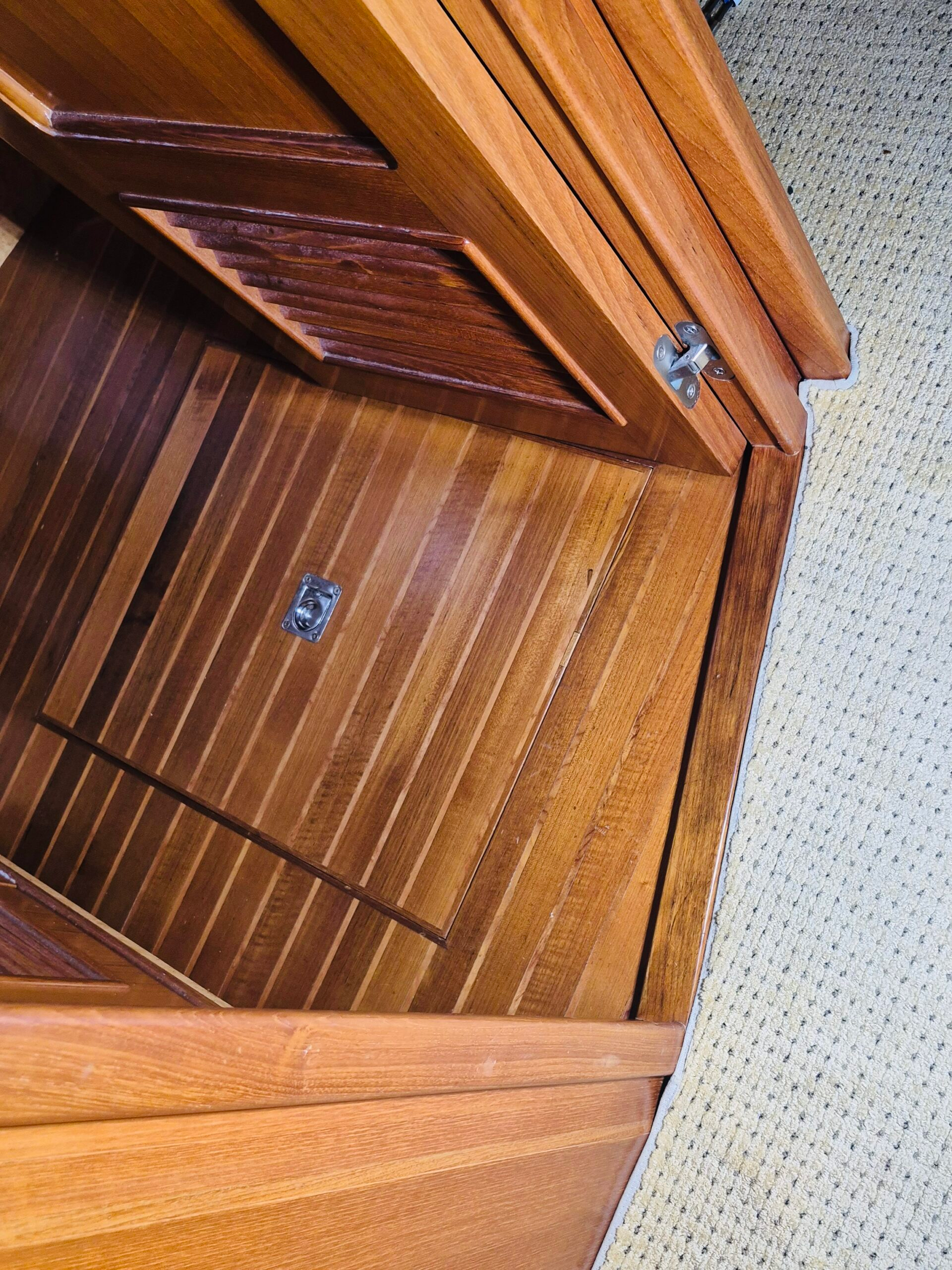
The pilot house flooring was one of the most noticeable problem areas. The family dog’s scratches were particularly visible when the teak became wet, making the damage stand out against the surrounding wood.
Rather than simply coating over the scratches, the team removed the existing finish, sanded the flooring back to the damaged surface and applied a new coating system.This process restored the appearance of the teak while providing a durable finish for everyday use.
When UV Damage Starts Peeling the Brightwork
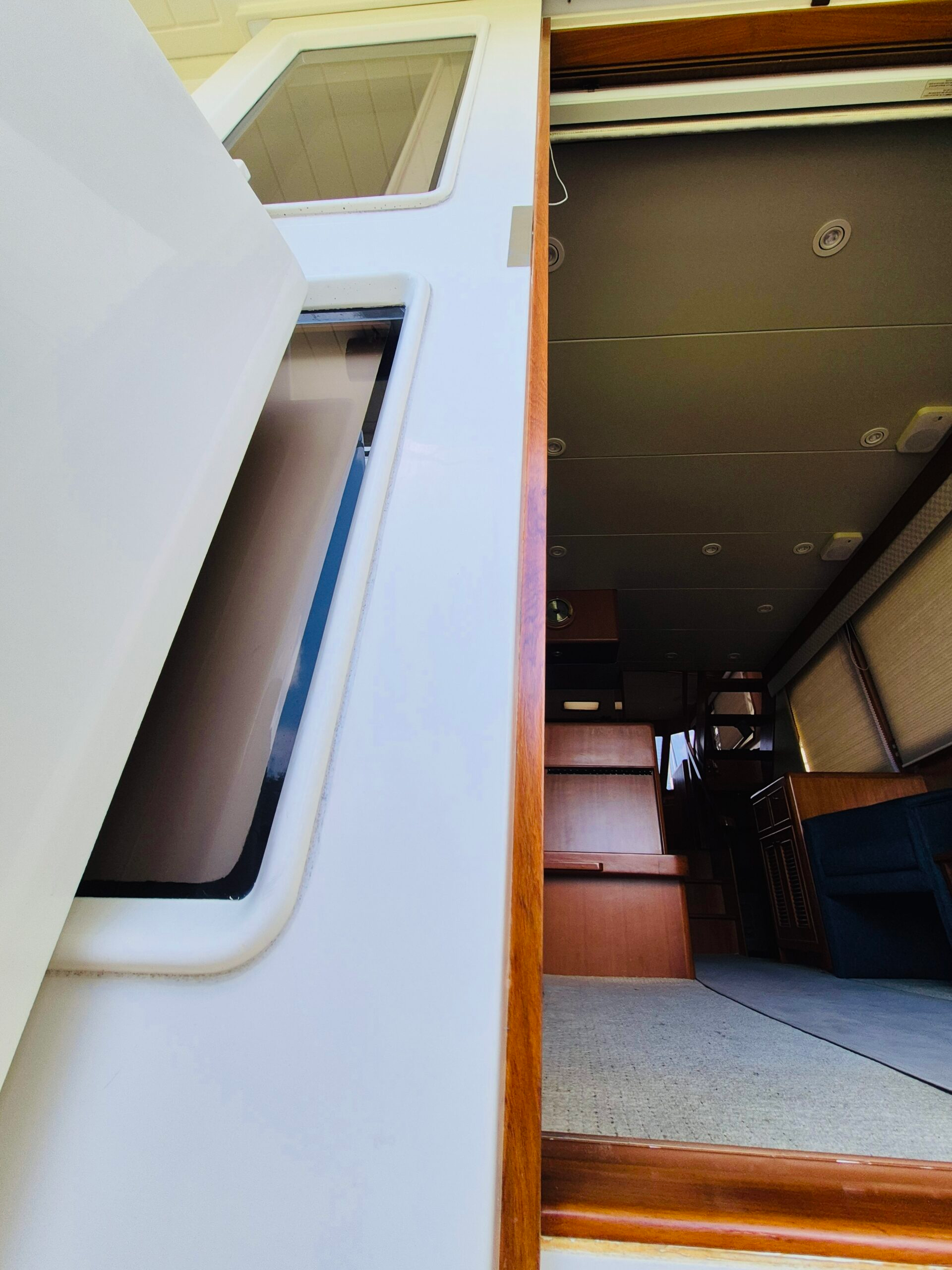
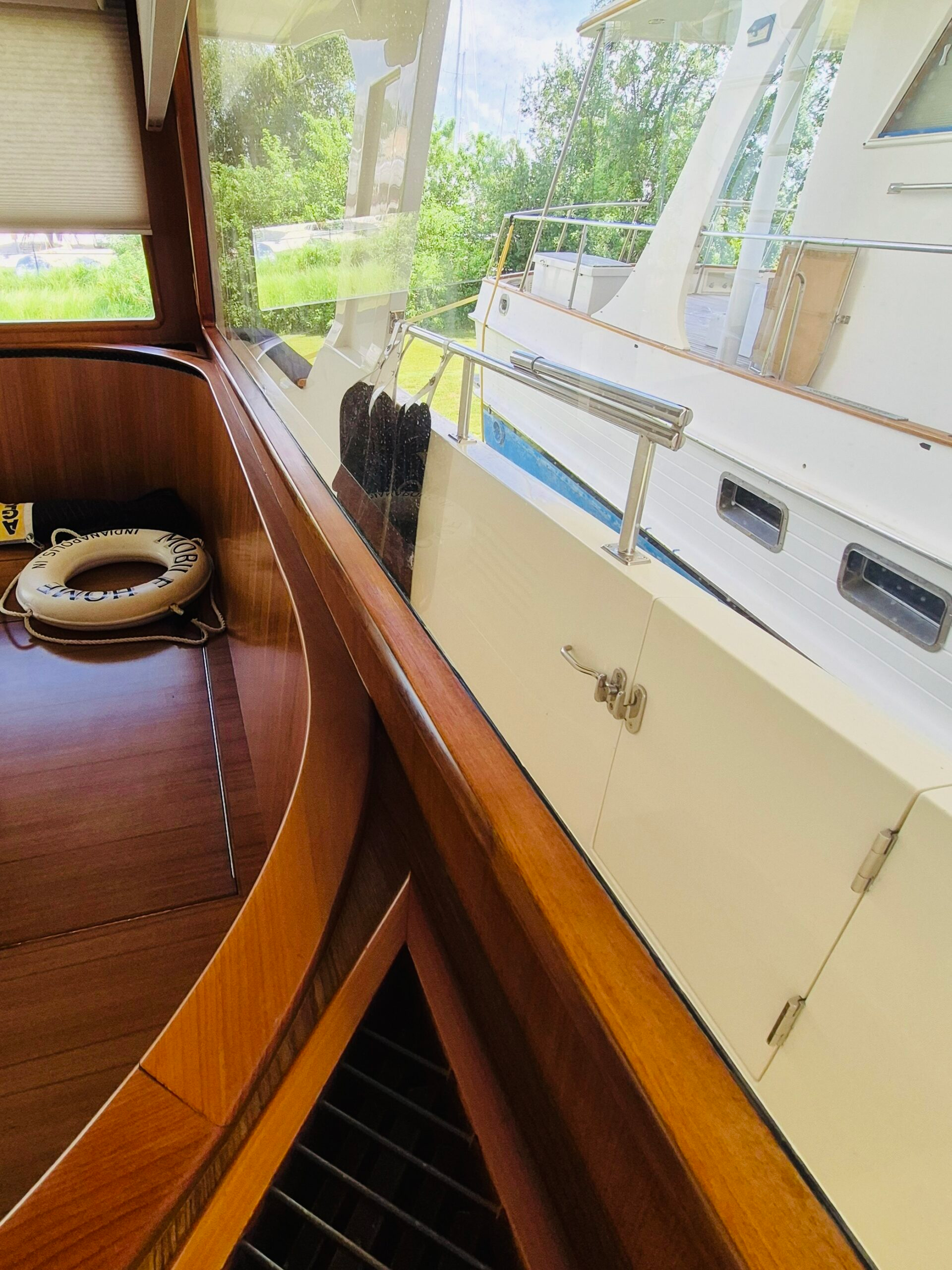
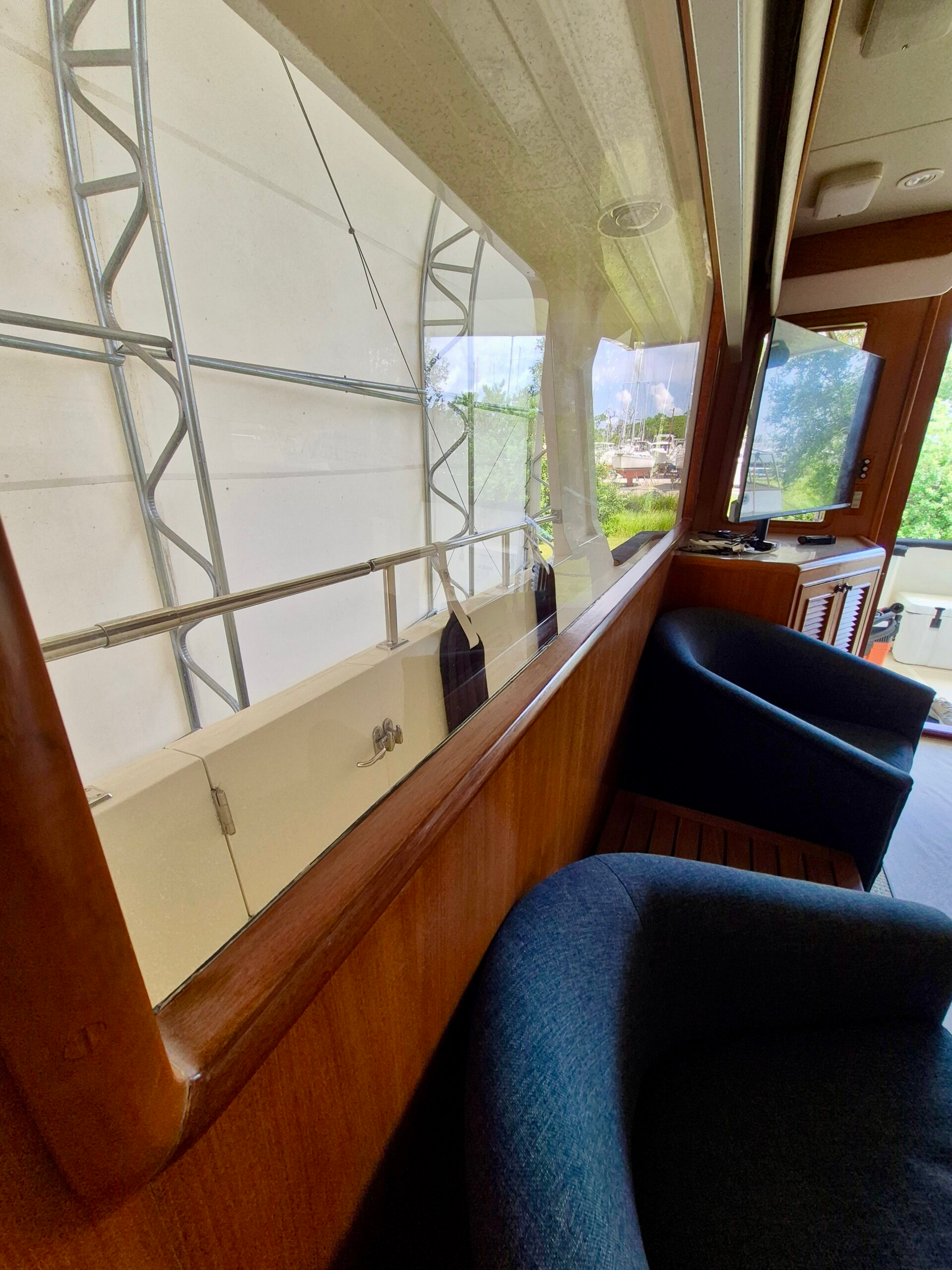
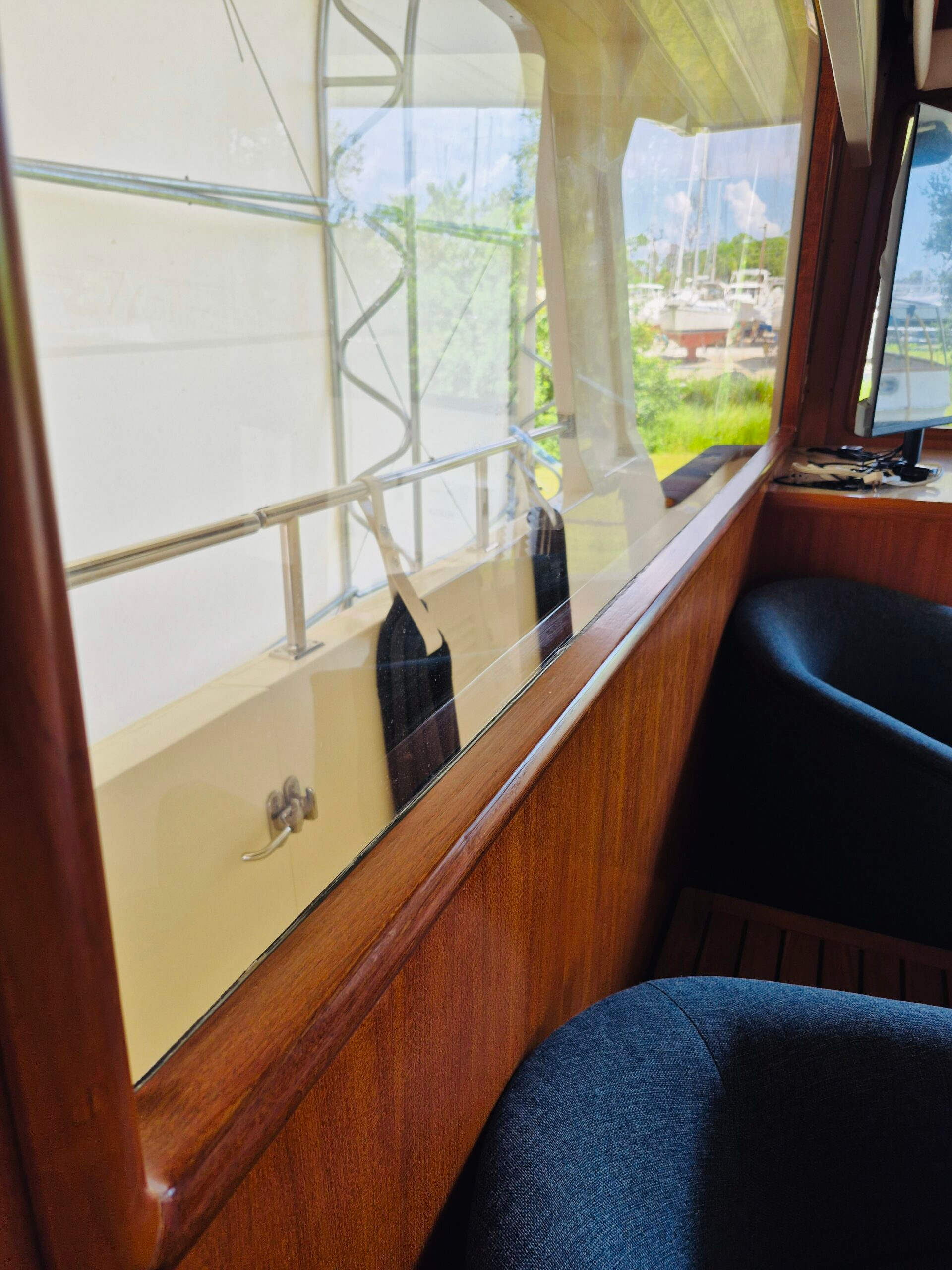
The teak trim surrounding the yacht’s window seals had experienced significant UV exposure. The existing finish had begun to peel and deteriorate, leaving the wood looking tired and unprotected.
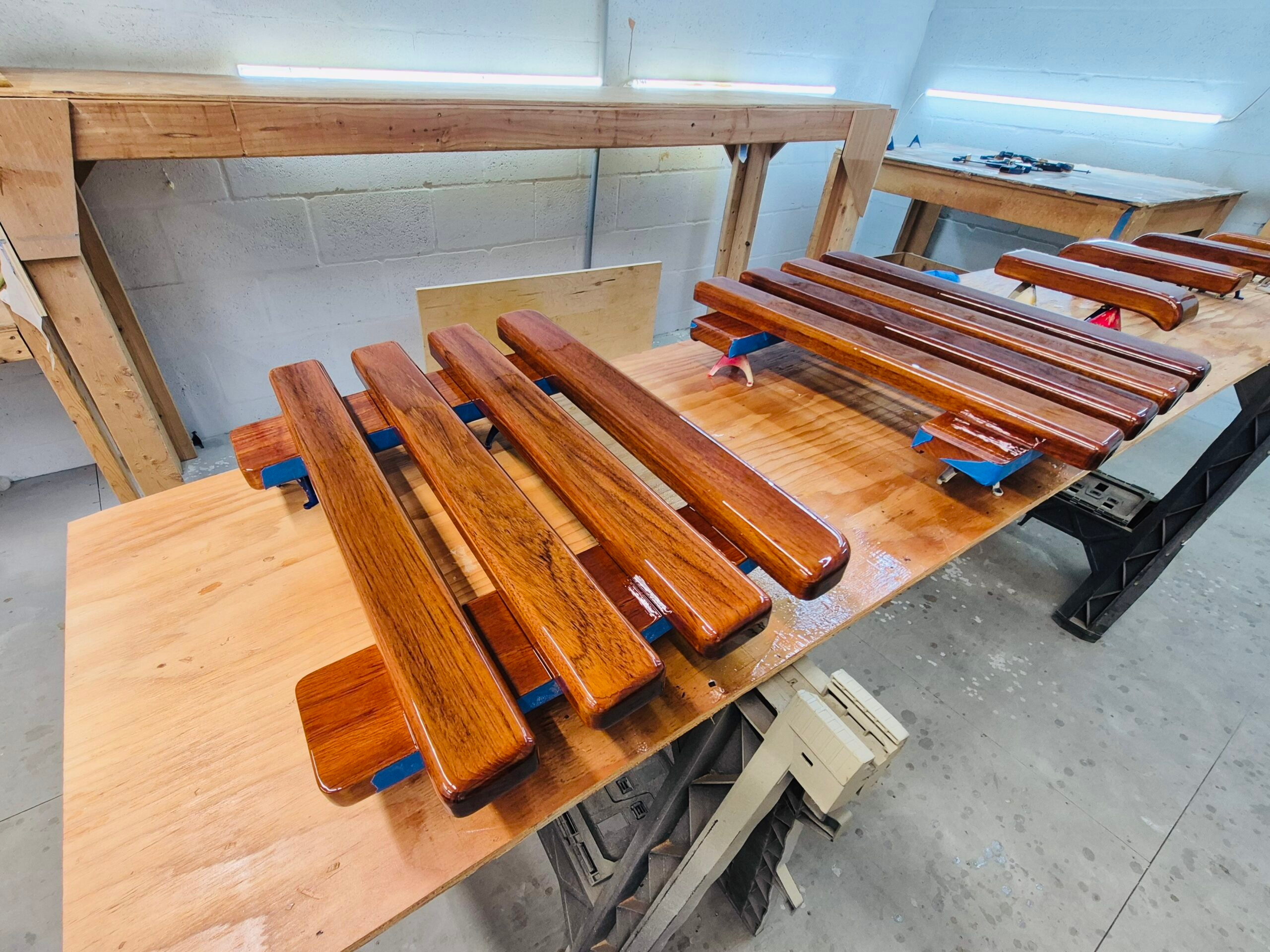
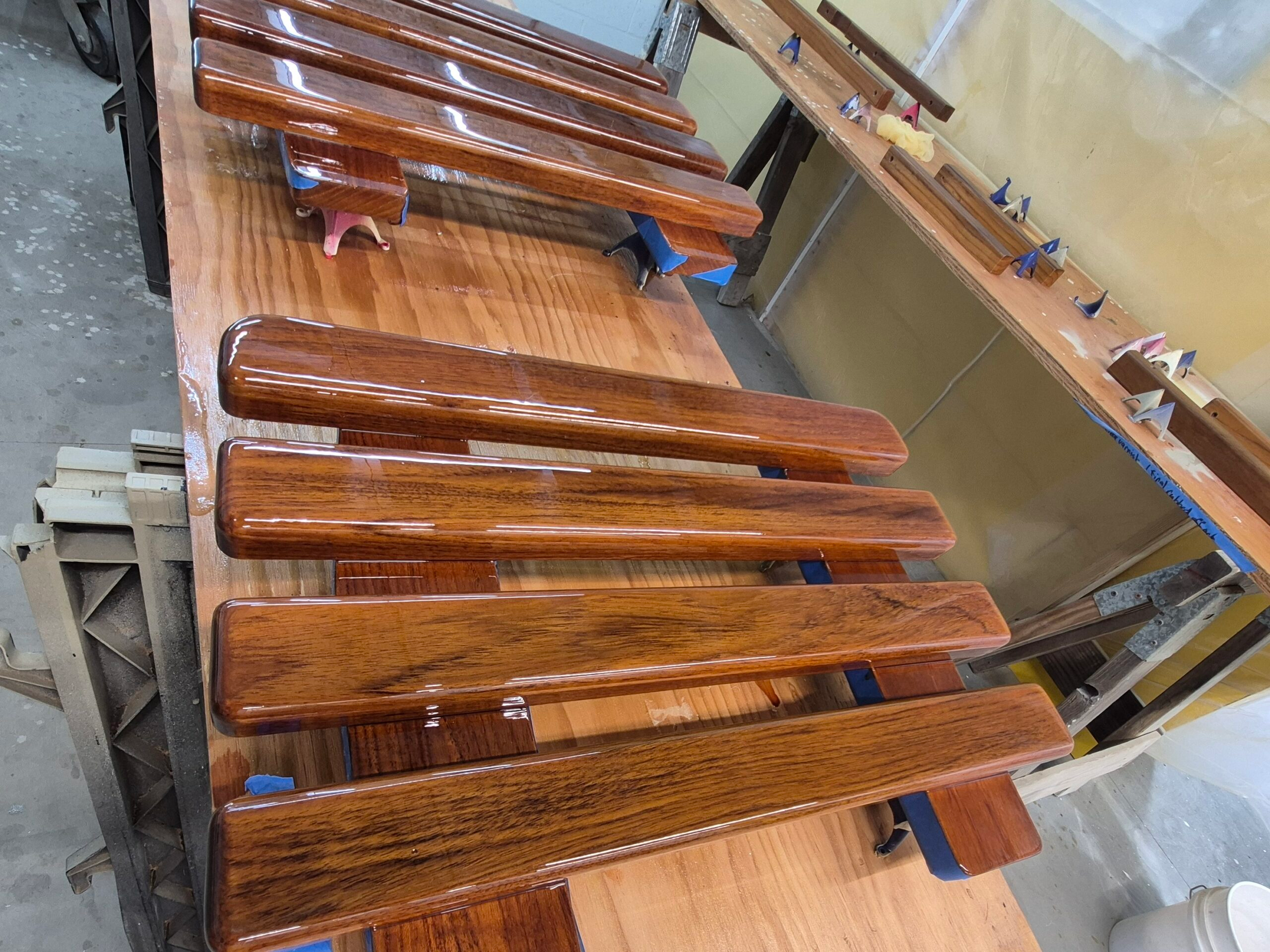
The team stripped the affected areas to bare wood and carefully sanded them before applying a new seal coat and finish coats. Removing the deteriorated finish and properly sealing the teak was key to protecting the wood and giving the new finish a better foundation for continued exposure.
The Fly Bridge Helm Seats Also Showed Their Age
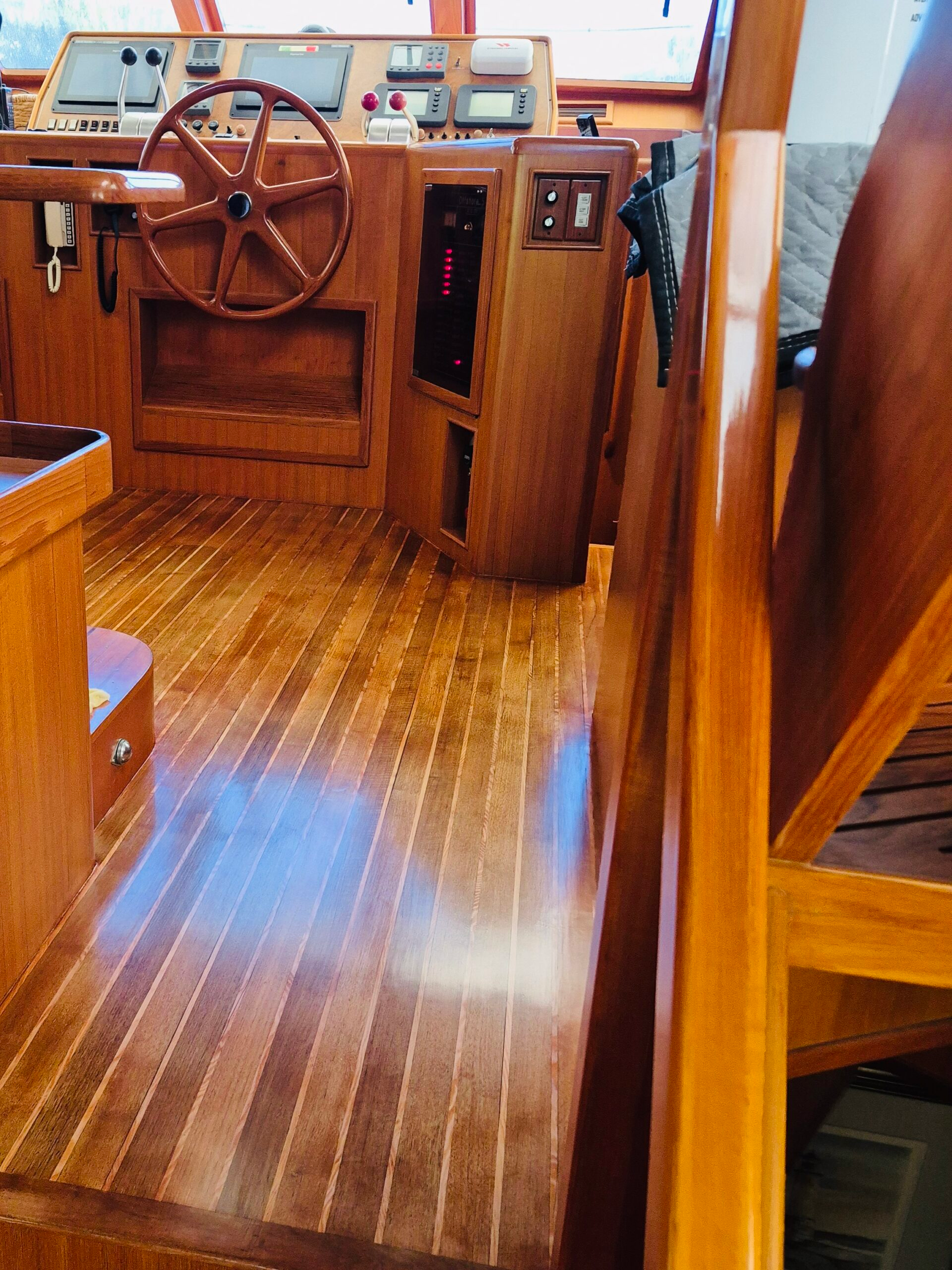
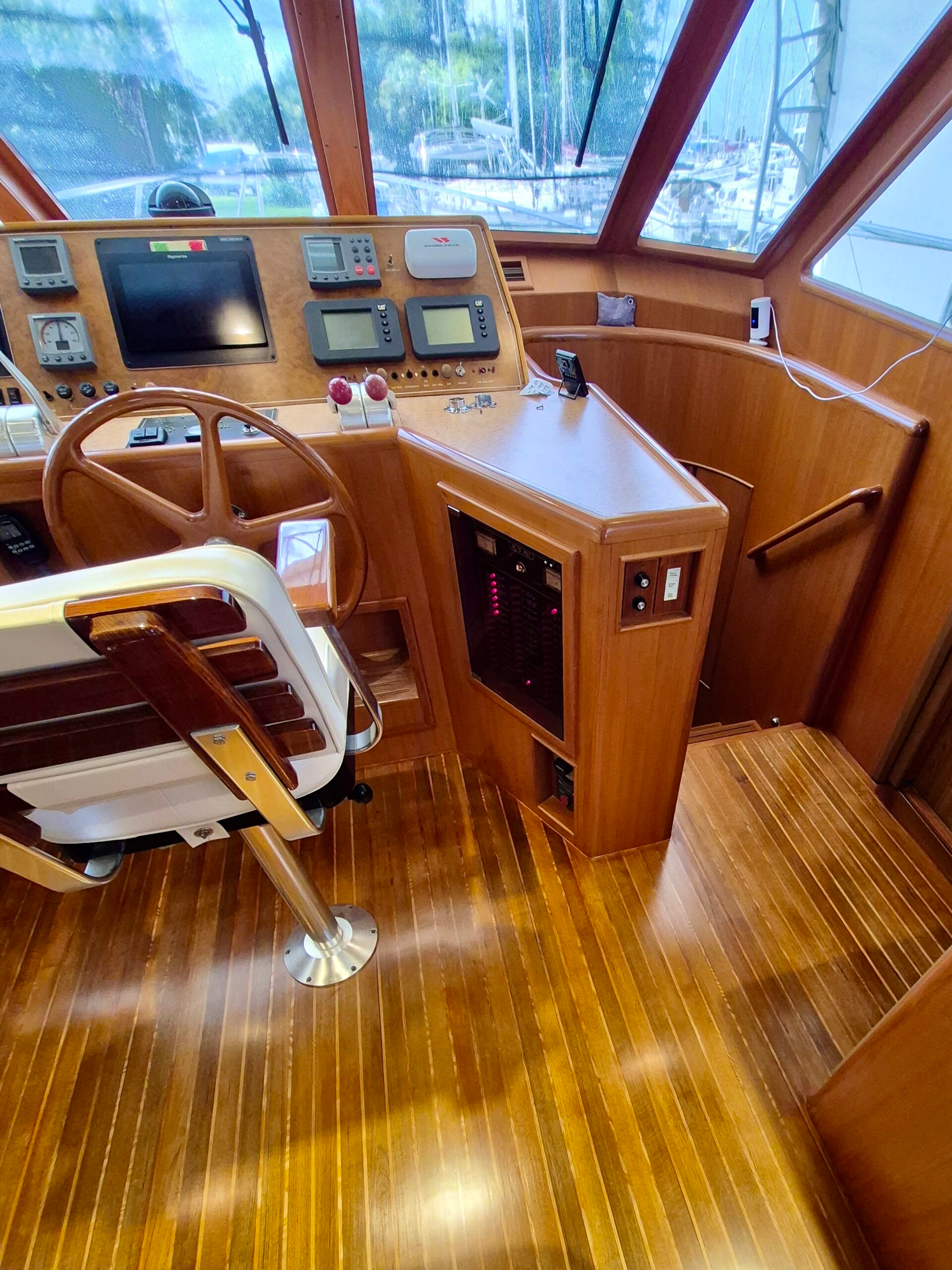
The teak at the upper station is a defining feature that makes this boat beautiful, adding warmth, character and a sense of timeless elegance to the space. After years of exposure and everyday use, however, the helm seats had lost some of their original finish and needed attention to restore their appearance.
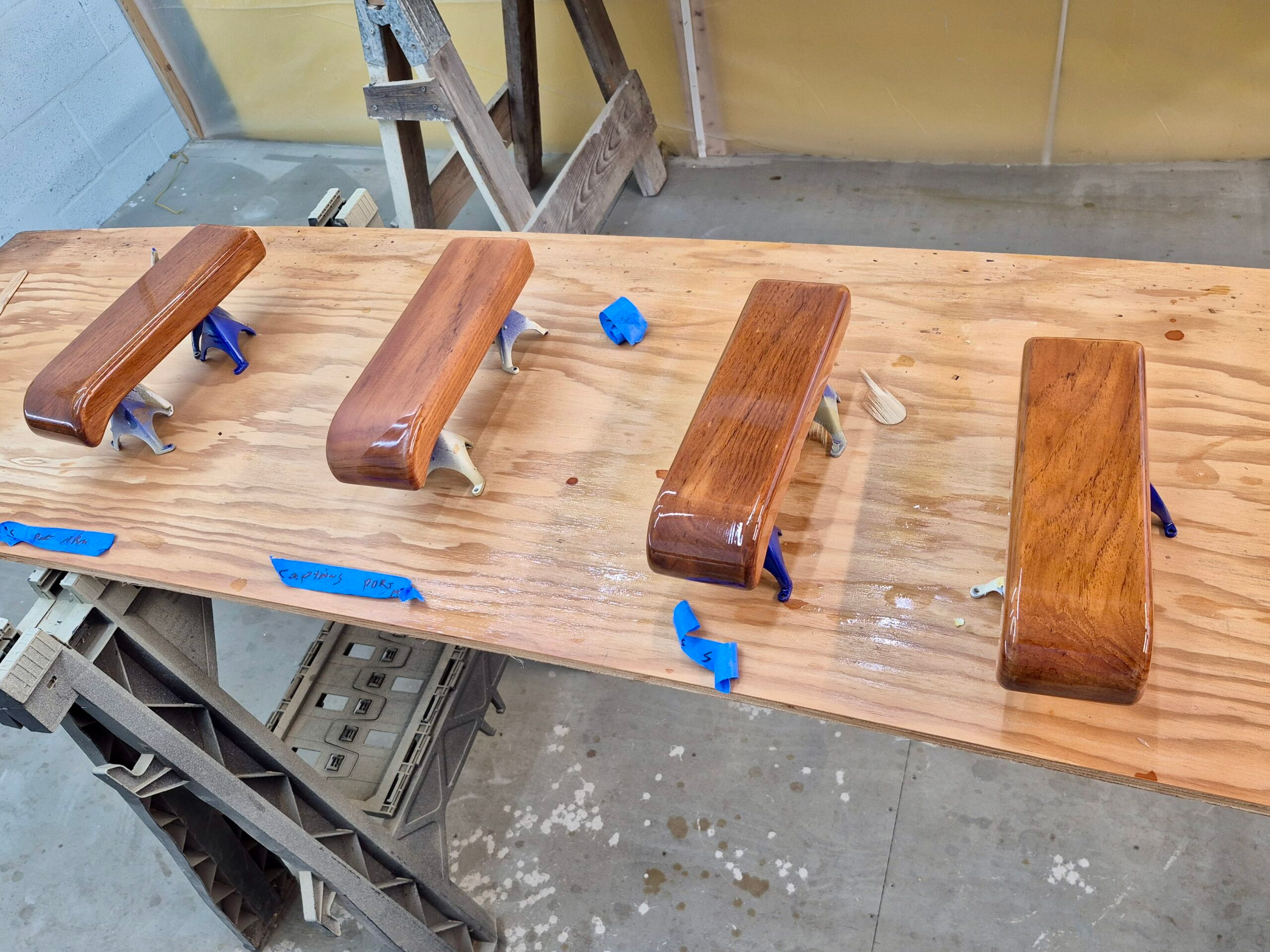
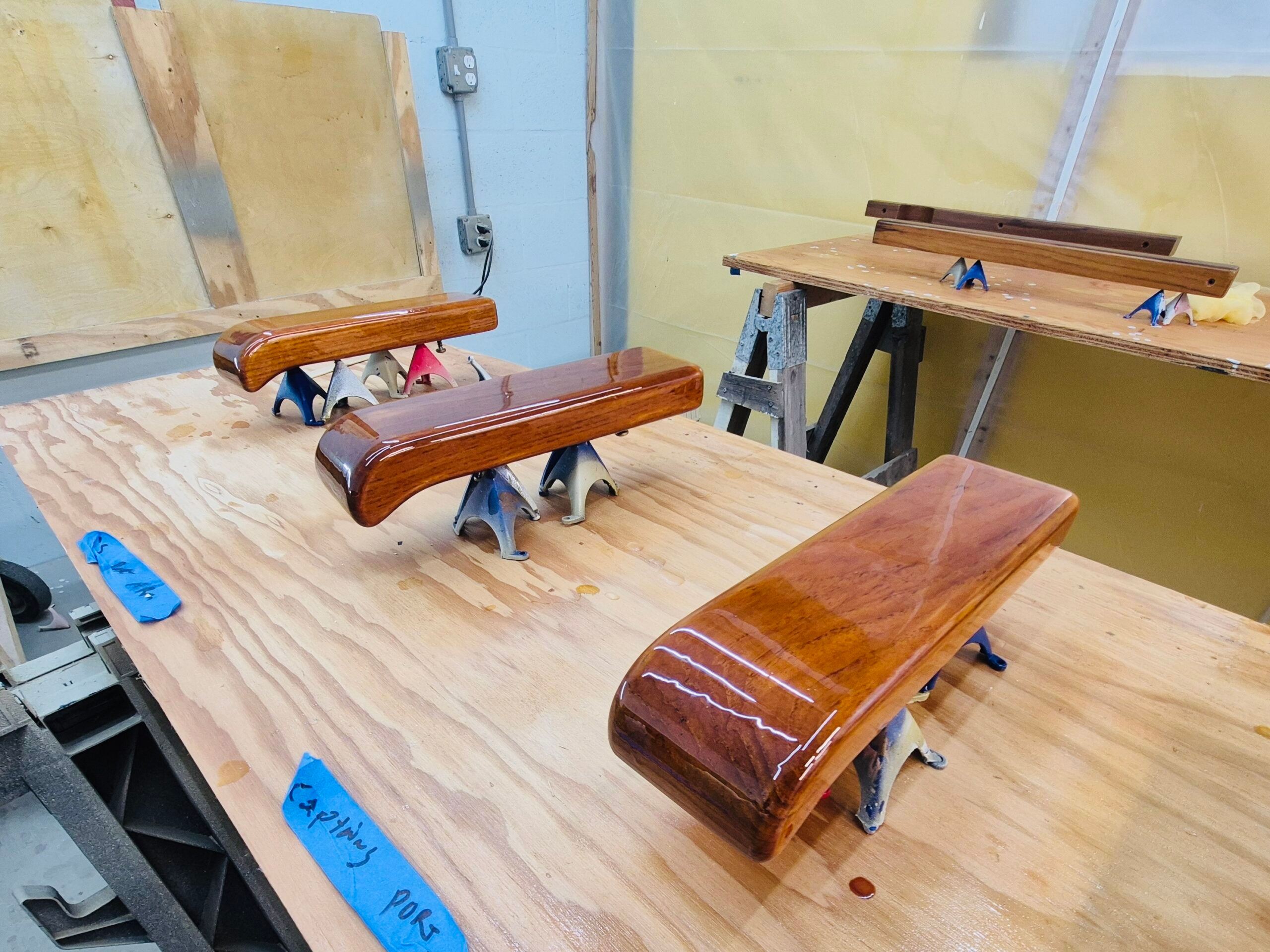
The team carefully sanded, refinished and revarnished each seat to enhance the wood’s natural beauty and complement the surrounding interior. Refinishing the helm seats helped preserve one of the details that gives this yacht its distinctive character while allowing the rich teak to once again stand out as a focal point of the helm.
The Details That Complete the Restoration
The restoration extended beyond the primary areas to include several smaller pieces of teak throughout the interior.
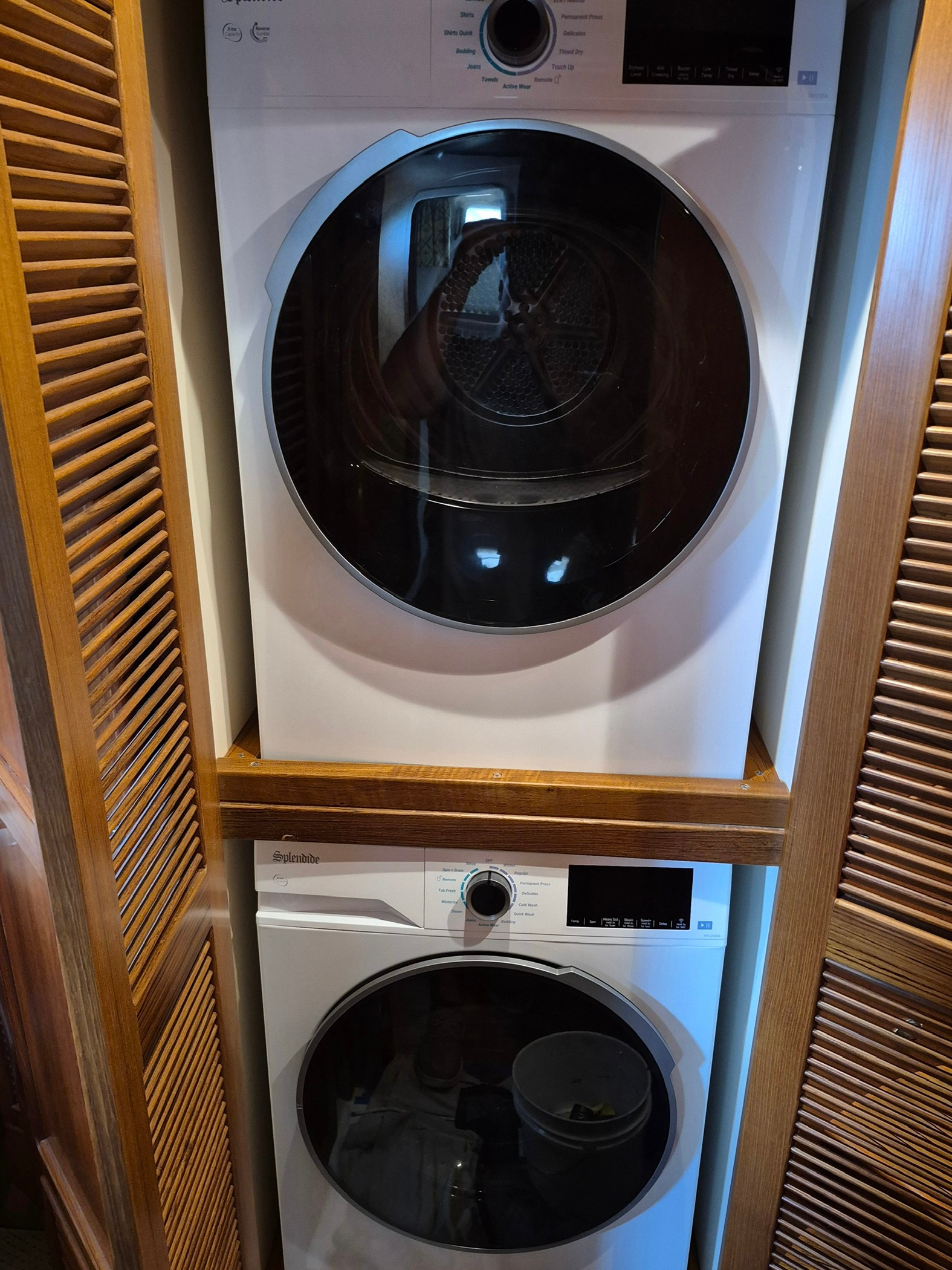
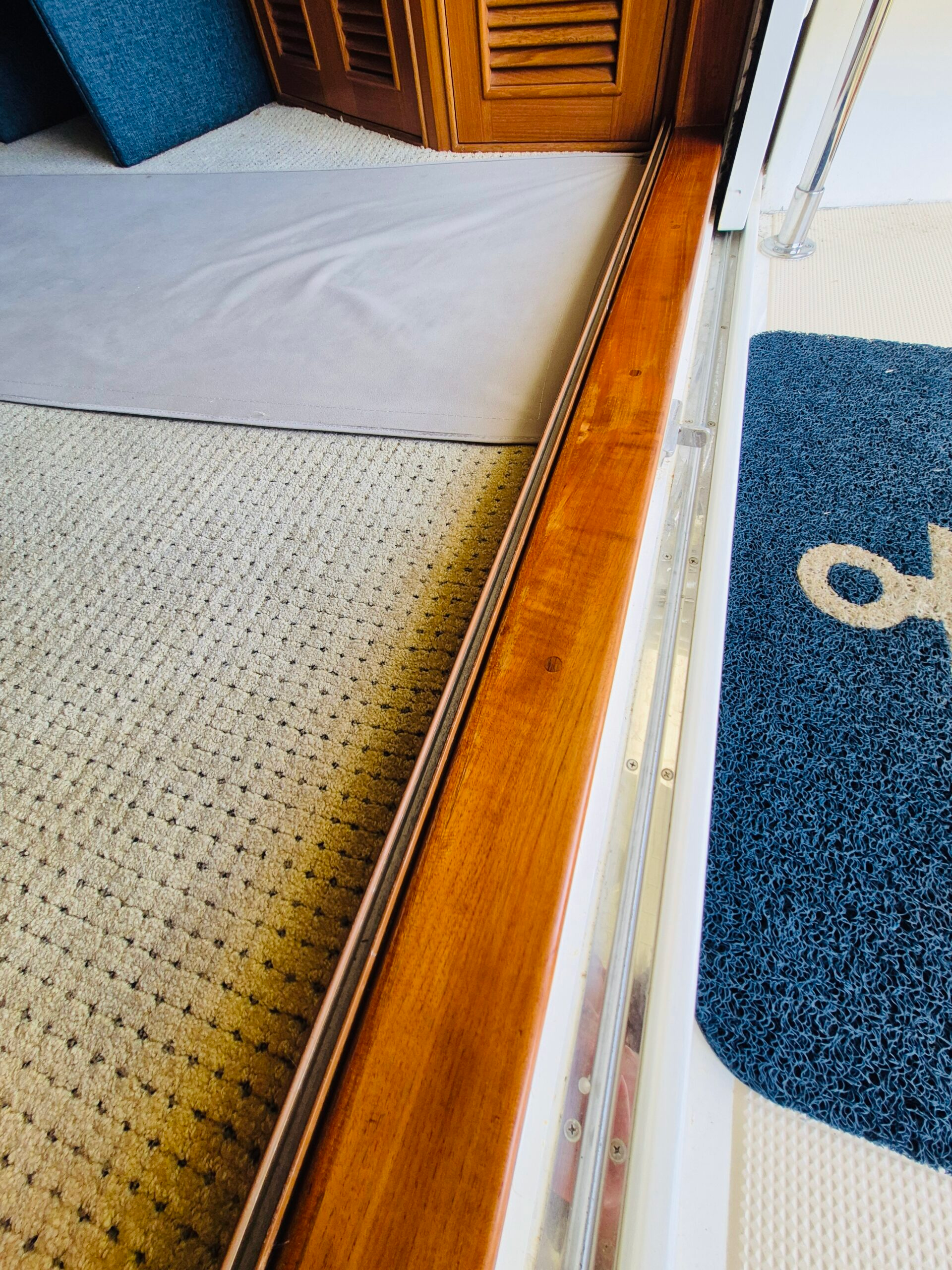
The threshold trim and galley window sills were refinished, along with the teak trim surrounding the washer and dryer. In this case, the trim served a practical purpose in addition to improving the space’s appearance. It helped secure the appliances in place—an important consideration for the owner when cruising in rougher waters.
These are the kinds of details that make a difference on a working yacht. The goal isn’t simply to make the interior look better at the dock, but to ensure the improvements also make sense for how the boat is actually used.
Restoring Rather Than Replacing
As owner and lead carpenter Ryan Schaap explained, “The goal was to restore this boat to great condition.” By working with the yacht’s original teak, the Big Ocean Marine team addressed the damage while maintaining the character and craftsmanship of the existing wood. The result was a refreshed interior that looks beautiful, feels renewed, and is ready for the demands of everyday use.
For yacht owners dealing with worn or scratched teak, replacement isn’t always necessary. In many cases, a thoughtful boat repair and refinishing process can give existing wood a new life. Proper preparation, refinishing techniques, and an understanding of how each space is used can make it possible to restore the original surfaces while extending their lifespan and preserving the character of the boat.